How do you adopt AI without betting the business?
I've spent two decades helping large organizations answer that question — building the architectures, teams, and strategies that turn emerging technology into measurable business outcomes.
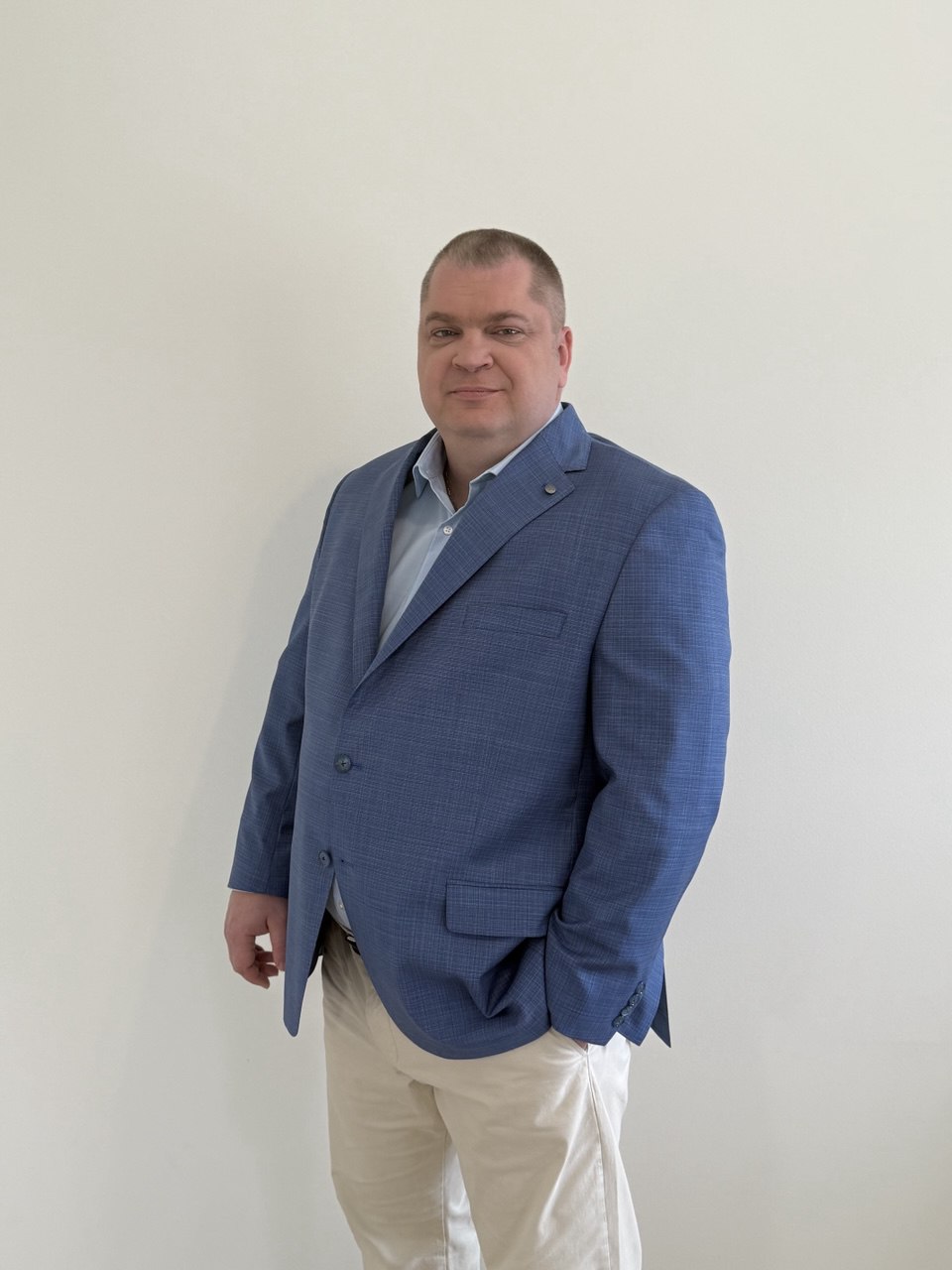
As EVP of Technology and Chief Architect at Trinetix, I lead engineering practices, drive enterprise AI adoption, and architect cloud-native platforms for organizations in financial services, logistics, and professional services. I work at both ends of the room: the strategy conversation with the board, and the debugging session with the team.
My background spans solution architecture, cloud infrastructure, and full-stack engineering — from designing Azure-based platforms at enterprise scale to advising Fortune 500 companies on digital modernization. I hold a degree in aerospace engineering from the National Aerospace University in Kharkiv, Ukraine, which left me with a lasting respect for systems thinking, precision, and things that don’t fail under pressure.
I’m still an engineer at heart. I run AI models on my own hardware and build electronics, because I want to understand exactly how the technology works, not just what it promises. I write and speak about enterprise AI, cloud architecture, and the practical side of digital transformation. Based in Nashville, Tennessee.
Enterprise AI & intelligent automation
AI adoption strategy, data readiness, generative AI, agentic workflows, and AI-native software development. Turning AI ambition into production systems.
Cloud & solution architecture
Azure (AKS, Cosmos DB, Redis, Web Apps), AWS, Kubernetes, microservices. Designing cloud-native platforms that scale without surprises.
Full-stack engineering
Node.js, C#/.NET, React, MongoDB — hands-on across the stack. Building and scaling engineering teams, architecture practices, and development standards.
Digital innovation strategy
Bridging technology and business outcomes. Innovation council leadership, technology evaluation, build-vs-buy decisions, and vendor strategy.
met.cards ↗
Founder · Live · Individual, Team and Enterprise plans
Your team’s business cards, and everything they remember.
A product I founded and build. Share a card with a tap or a link, capture who you met, and let an AI model you choose remember the context — so the connection is still worth something three months later. Vision reads the paper card you were handed, transcription files the voice note you leave, and chat drafts the follow-up and keeps the promise. Every workspace is isolated at the database level, and each capability can point at a hosted provider or a model on your own hardware.
Electronics
Soldering iron, oscilloscope, microcontrollers. Understanding a system starts at the board level.
Home lab
Open models running on my own hardware, to see what they really cost and how they really fail.
Aerospace
Trained as an aerospace engineer at the Kharkiv Aviation Institute. Still can’t walk past flight hardware without stopping.
Data before models
The most sophisticated AI is only as good as the data it learns from. 60–85% of AI outcomes depend on data preparation. Get the foundation right first.
Technology for a purpose
Every technology decision should trace back to a measurable business outcome. If it doesn't, it's a science project.
People drive transformation
Technology is the enabler, but people are the engine. Culture change is the hardest and most important part.
Understand how it works
I don't sign off on a system I couldn't debug. Read the logs, trace the request, run the model yourself. Curiosity is a professional discipline.
Interested in working together?
I help enterprise technology leaders navigate AI adoption, cloud architecture, and digital transformation. Start with a conversation.